Do You Need a Permit for a Fence in Santa Cruz County? 2026 Guide for Homeowners
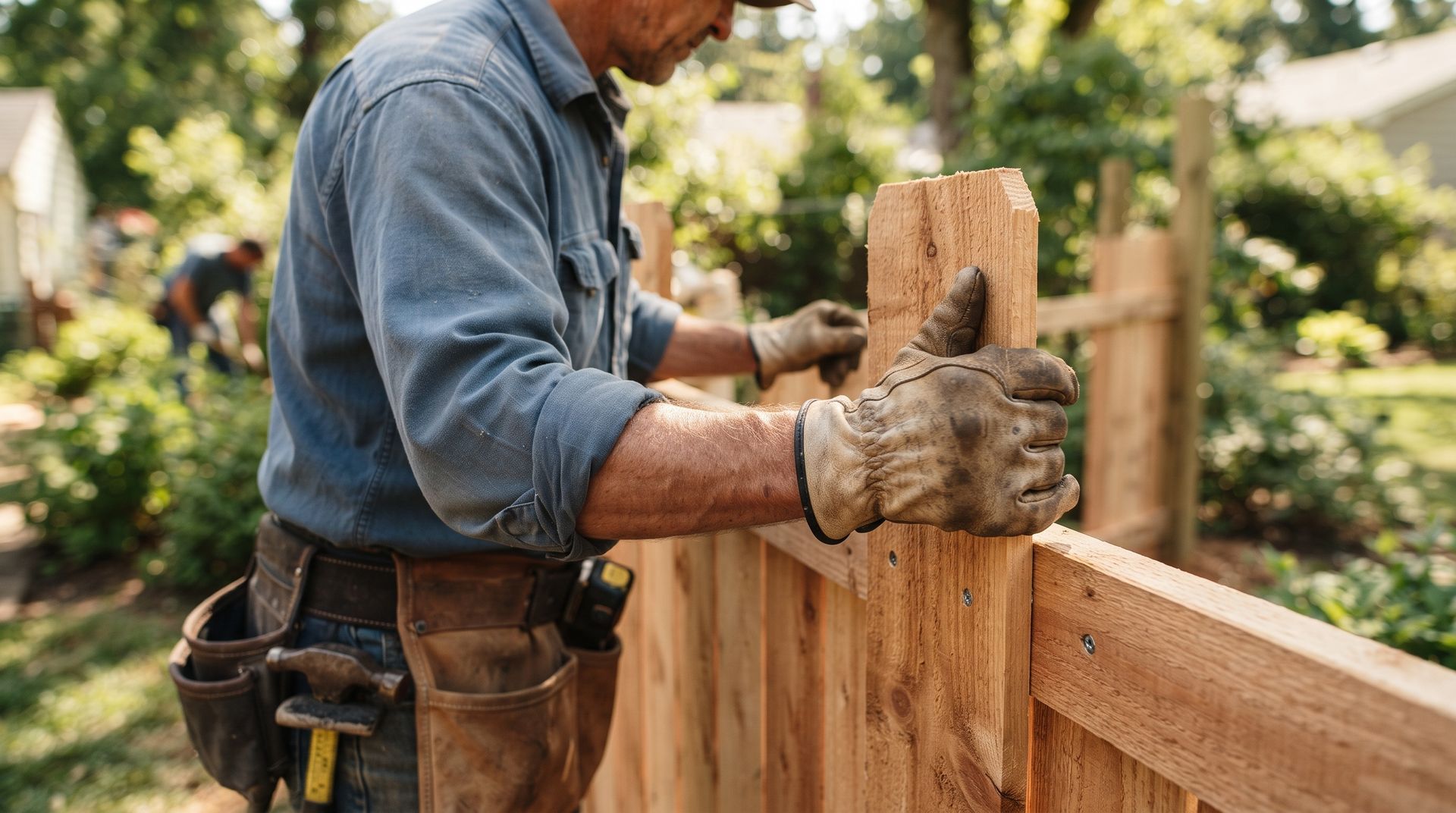
If you're planning to add a fence in the Santa Cruz, CA, area, understanding local permit rules before you break ground can save you time, money, and headaches. This 2026 guide covers what Santa Cruz County requires, when a permit is and isn't needed, how height and location affect the rules, and why working with a licensed fence contractor in Santa Cruz, CA, makes the process easier.
What the County Actually Regulates
Santa Cruz County regulates fences under County Code Section 13.10.525 to balance privacy, aesthetics, driver sightlines, and neighboring access to light and air.
Height limits within required setbacks vary by zoning, whether the property is inside or outside the Urban and Rural Services Lines, and whether the fence falls within a Site Clearance Triangle. Your zone, lot location, and fence placement all matter. Consulting a fence contractor in Santa Cruz, CA, early in your planning can help identify which rules apply to your parcel before you commit to a design.
Height is measured from finished grade at the base to the top of the fence at its tallest point. Sloped lots in the Santa Cruz Mountains or near Scotts Valley can complicate this measurement, so confirm with the county before digging. A contractor familiar with hillside submarkets will already understand how grade changes affect compliance.
When Is a Building Permit Required?
Wood and metal fences not over 8 feet high do not require a building permit. Concrete or masonry fences not over 6 feet high also qualify for exemption. Exceed those thresholds and a permit will likely be required.
A permit exemption does not mean automatic approval. Confirm whether other reviews are needed by emailing planning.zoninginfo@santacruzcountyca.gov or scheduling a counter appointment. Many homeowners have a fence contractor in Santa Cruz, CA, handle this verification on their behalf.
Front Yard vs. Rear and Side Yard Rules
Where the fence sits on your lot matters as much as its height. Fences are generally limited to 3 feet in front yards and yards abutting a street, and to 6 feet in rear and side yards not abutting a street.
A standard 6-foot wood privacy fence in your backyard may fall within the no-permit zone. That same fence along the front of your property would likely exceed the 3-foot front-yard limit and require additional review.
Over-Height Fences and Discretionary Permits
If you want a fence exceeding standard height limits, apply for an over-height fence permit through the county's Unified Permit Center. Forms and submittal instructions are available through the county's permit portal. For questions, email zoning staff or use the Appointment Scheduler.
Archways, trellises, and pergolas may not exceed 25 percent of the fence length along a given property line without an Administrative Site Development Permit. An experienced fence contractor in Santa Cruz, CA, can flag this requirement before your design is finalized.
City of Santa Cruz vs. Unincorporated County
Whether your property falls within the City of Santa Cruz or unincorporated county territory affects which rules apply. Capitola, Scotts Valley, Watsonville, and unincorporated areas use different standards than the incorporated city. Always verify your parcel's jurisdiction before applying.
A local fence contractor in Santa Cruz, CA, who works across these jurisdictions can help identify which rules govern your project and what documentation you'll need. The city's online portal allows e-filing for simpler fence permits, and over-the-counter permits with no plan check required can often be approved same day with a complete application.
How Long Does Permit Approval Take?
Simple over-the-counter fence permits can move quickly. More complex projects go through plan review, typically taking two to four weeks for the first round, often with requests for revised plans.
Projects in the Coastal Zone may require additional review, adding further time. Properties near the ocean in Santa Cruz, Aptos, or other coastal areas should budget extra time. Call the relevant permitting office to confirm current wait times before finalizing your schedule.
Why a Licensed Contractor Helps
A licensed fence contractor in Santa Cruz, CA, familiar with local zoning can streamline the permit process considerably. Contractors who know the Unified Permit Center can identify potential issues before a post is installed, helping you avoid costly corrections or removal orders. For ornamental metal fencing, a contractor can also advise on how decorative elements factor into height measurements and whether discretionary approvals are needed.
Frequently Asked Questions
Do I Need a Permit for a 6-Foot Fence?
It depends on material and location. A 6-foot wood or metal fence in a rear or side yard usually needs no permit; front-yard fences are limited to 3 feet.
What Happens If I Build Without a Permit?
The county may issue a stop-work order, require removal or modification at your expense, and assess fines. Unpermitted work can also complicate a home sale.
How Long Does Approval Take?
Simple permits with a complete application may be approved over the counter the same day. Over-height fences or Coastal Zone projects can take two to four weeks or longer.
Get Your Fence Done Right With Central California Ornamental Iron
Permit rules in Santa Cruz County can feel overwhelming, but you don't have to figure them out alone. Central California Ornamental Iron serves the Santa Cruz area and guides clients through the permit process from start to finish, whether you're installing an ornamental iron fence, a custom gate, or a full perimeter system. Their team understands zoning across Santa Cruz County submarkets, including coastal properties, hillside lots, and unincorporated rural parcels.
Ready to move forward?
View their custom fencing options or
reach out directly for a free consultation. You can also call the Santa Cruz line at
(831) 429-9907 or toll-free at
(877) 644-4283.